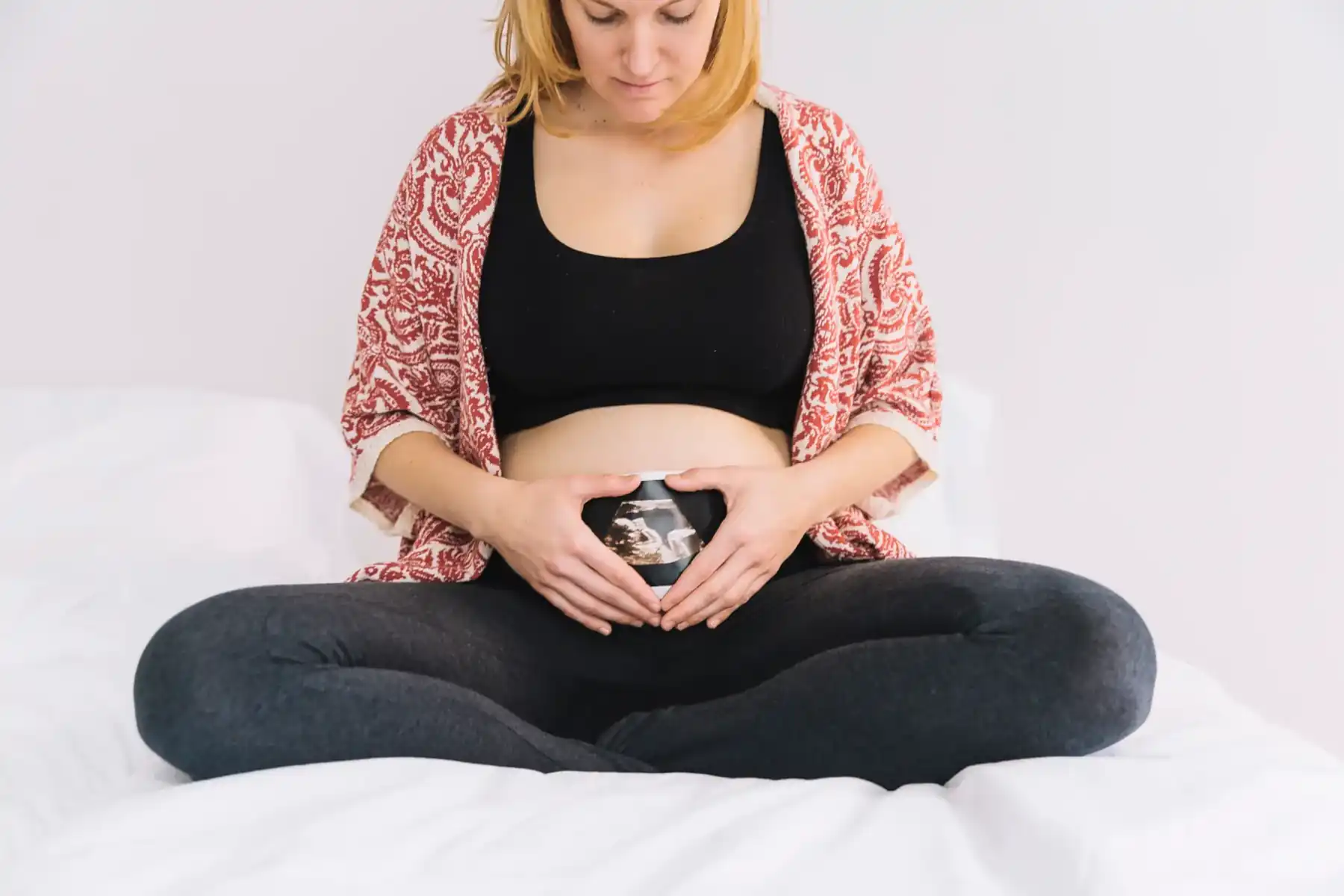
Recognizing the first symptoms of pregnancy is not always easy. Many women start noticing changes in their body even before they take a test, but in the earliest stages these signs are often subtle and can easily be mistaken for premenstrual symptoms or the normal hormonal changes of the cycle. Early signs can appear just a few days after fertilization, although the better known ones usually become clearer several weeks later.
One of the most common signs is a missed period, but it is not the only one and it does not always confirm a pregnancy. Tiredness, breast tenderness, nausea, sleepiness, a heightened sense of smell, changes in body temperature or light implantation bleeding can also appear. How strong these signs are, and when they show up, varies a lot from one woman to another.
In this guide we go through the most common early symptoms, when they usually appear, how to tell them apart from other normal changes in your cycle, and how to confirm a pregnancy reliably.
If you want to understand how pregnancy develops at each stage, you can also read The Complete Guide to Pregnancy Week by Week: What Every Mom Needs to Know.
When do the first pregnancy symptoms appear?
For symptoms to appear at all, fertilization has to happen first, followed by the implantation of the embryo. Fertilization usually takes place around ovulation, and the embryo may implant a few days later. From that moment on, some women begin to notice changes, although these are generally mild and easy to miss. The most typical and recognizable symptoms tend to become clearer between the 4th and the 6th week of pregnancy.
This means that in many cases the first signs only show up when your expected period is already approaching or late.
The most common early pregnancy symptoms
A missed period
A missed period is one of the best known symptoms and one of the main reasons many women start to suspect they are pregnant.
However, a late period does not always mean pregnancy. Stress, hormonal changes, intense exercise or certain medical conditions can also disrupt your cycle. So if you suspect you might be pregnant, it is worth confirming it with a test and then with a medical consultation.
Nausea and vomiting
Nausea is one of the most classic pregnancy symptoms, although it does not always start right away and not every woman experiences it. It can begin several weeks after fertilization and, in many women, it is linked to the hormonal changes of early pregnancy.
Tiredness and sleepiness
Feeling more tired than usual, or sleepier, can be one of the first signs. In the early weeks the body goes through significant hormonal changes and starts adapting to the pregnancy, which can cause a noticeable feeling of fatigue.
Tender or fuller breasts
Your breasts may feel more sensitive, tight or sore. This symptom is common both before a period and at the start of a pregnancy, which is why it often causes confusion.
A heightened sense of smell
Some women notice that certain smells become stronger or more unpleasant. This increased sensitivity is also a relatively common early symptom.
Needing to urinate more often
Needing to pee more frequently can also appear in the early stages of pregnancy, although later on it usually becomes even more noticeable as the uterus grows.
Implantation bleeding
In some cases, light spotting can appear when the embryo implants in the uterus. This bleeding is usually lighter and different from a normal period, although it can sometimes be mistaken for one.
A slightly higher body temperature
Some women notice a slight, sustained rise in their basal body temperature in the early stages of pregnancy. On its own it does not confirm anything, but it can be an extra clue if you are tracking your cycle.
Pregnancy symptoms and period symptoms: how to tell them apart
One of the reasons an early pregnancy can go unnoticed is that many of its symptoms look a lot like the ones you get before your period.
Both before a period and at the start of a pregnancy, you may experience:
- breast pain or tenderness
- tiredness
- sleepiness
- mood changes
- changes in the skin
- mild abdominal discomfort
That is why, when in doubt, the most telling symptom is usually a late period, but the most useful way to clear up the uncertainty is to take a pregnancy test.
Can you get pregnant while on birth control?
Hormonal contraceptives are highly effective, but not 100% effective. So although it is less common, pregnancy can still happen.
If you notice symptoms that could point to pregnancy while you are on contraceptives, it is worth taking a test and speaking to your OB-GYN. The symptoms can be the same as in any other early pregnancy: nausea, tiredness, breast changes or frequent urination.
Later pregnancy symptoms
Besides the early signs, other typical pregnancy symptoms can appear further along, especially in the second and third trimester.
The most common symptoms in the later stages include:
- swelling or fluid retention
- back pain
- shortness of breath
- heartburn or indigestion
- more frequent urination
- leg cramps
These symptoms are usually related to the growing uterus, weight gain and the hormonal changes of later pregnancy.
Less common pregnancy symptoms
Some women also notice less typical signs, such as:
- changes in taste or smell
- headaches
- a darkening line down the abdomen
- changes in the voice
- feeling clumsier than usual
- an increased sex drive
Not all of these signs appear, and having them does not confirm a pregnancy on its own, but they are part of the normal range of changes that can occur.
How to confirm a pregnancy
Pregnancy test
A home pregnancy test detects the hormone hCG in your urine. In general it gives more reliable results when you take it on the day your period is due or later. Taking it too early can give a false negative.
Medical consultation
A consultation with your OB-GYN confirms the pregnancy and checks that everything is progressing as it should. Depending on the case, your doctor may recommend:
- a blood test
- a clinical examination
- an ultrasound
When can a pregnancy be seen on an ultrasound?
In general, an early pregnancy can be seen on an ultrasound at around 5 to 6 weeks. An ultrasound does not only confirm the pregnancy, it also helps assess how it is progressing at the start and, later on, monitor the baby’s development.
If you want to learn more about the prenatal tests available during pregnancy, you can also read Prenatal Tests: How to Choose the Right Exams for Your Pregnancy.
What to do if you think you might be pregnant
If you have symptoms that could point to pregnancy and your period is late, the most sensible steps are to:
- take a pregnancy test
- repeat it a few days later if it is negative but you still have doubts
- speak to your OB-GYN
Once the pregnancy is confirmed, it is important to start your prenatal check-ups and talk to your doctor about which tests are recommended at each stage.
You can also learn more about NIPT by GenePlanet, a non-invasive prenatal screening test, in our article Non-Invasive Prenatal Test: Discover Why Thousands of Moms Choose It.
Conclusion
The first symptoms of pregnancy can appear very early, but they are often subtle and easily confused with the normal changes of the menstrual cycle. A missed period, tiredness, breast tenderness, nausea and a heightened sense of smell are some of the most common signs.
Still, no single symptom is enough to confirm a pregnancy. The most reliable way to know is to combine a properly taken pregnancy test with a follow-up medical assessment.
Listening to your body matters, but so does confirming any suspicion with clear information and professional follow-up.
Frequently asked questions about pregnancy symptoms
What are the first symptoms of pregnancy?
The most common ones are a missed period, tiredness, breast tenderness, nausea, sleepiness, a heightened sense of smell and frequent urination.
Can you feel pregnancy symptoms a few days after fertilization?
Yes, some women may notice changes within a few days, but they are usually very subtle and often go unnoticed. The clearer symptoms tend to appear later.
Does a missed period always mean pregnancy?
No. It can also be caused by stress, hormonal changes, intense exercise or other factors.
When is the best time to take a pregnancy test?
Ideally on the day your period is due or later, so that the result is more reliable.
When can a pregnancy be seen on an ultrasound?
Usually at around 5 to 6 weeks of pregnancy.