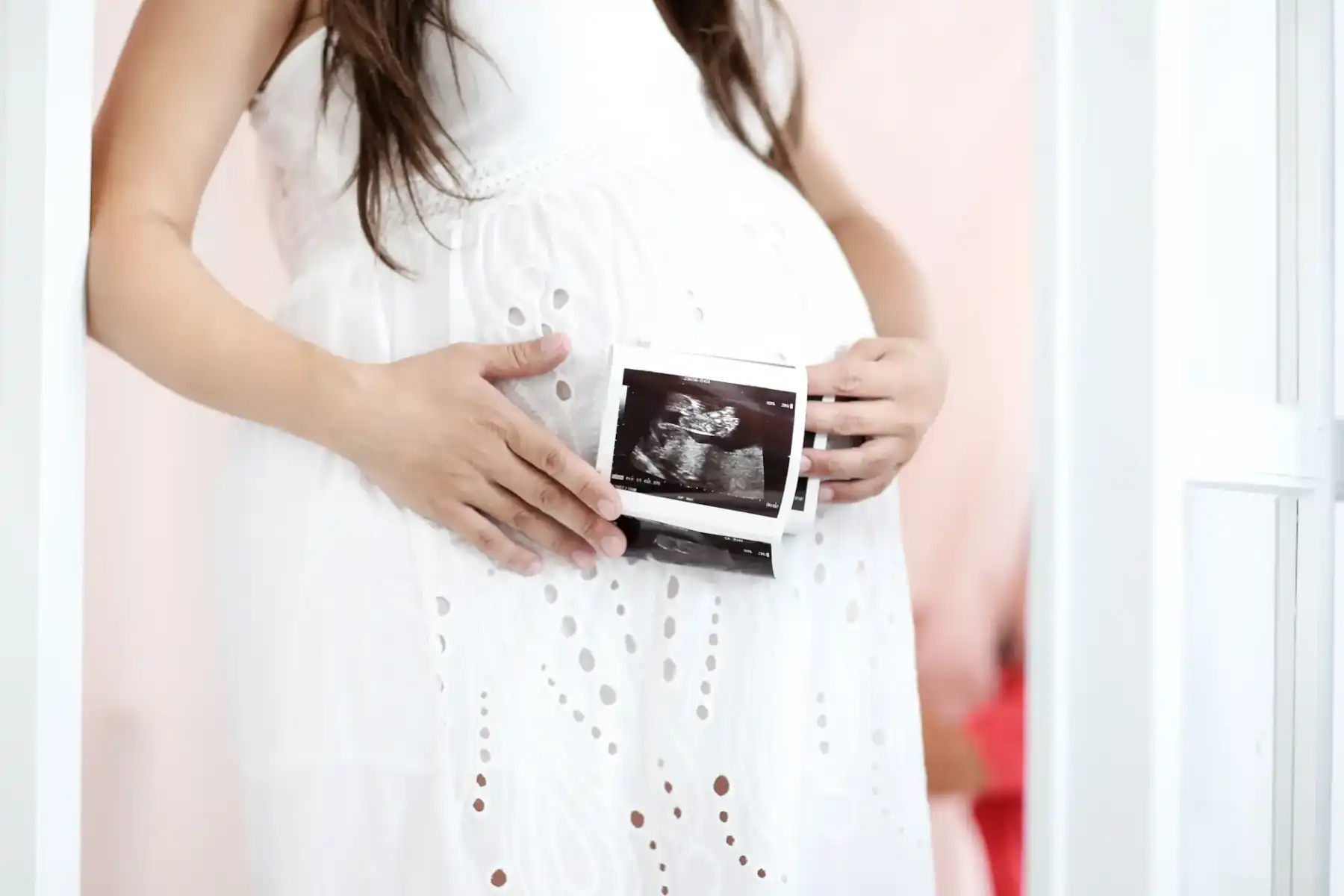

Did you know that one couple out of two may be trying to get pregnant at the wrong time of the cycle? In fact, although 85% of healthy couples under the age of 35 conceive within one year, many make mistakes when it comes to perfect timing for conception.
When we talk about how to get pregnant quickly, the numbers are surprising: the probability of getting pregnant with daily intercourse reaches 33%, while it drops to 15% with weekly intercourse. Moreover, contrary to popular belief, the fertile window does not always fall on day 14 of the cycle—this is an oversimplification that ignores individual cycle variations. The chances of getting pregnant during fertile days increase significantly when you learn to recognize your ovulation signals. However, factors such as stress can reduce the chances of conception by 19%, while smoking is responsible for 13% of female infertility cases.
In this complete guide, we will explore everything you need to know to correctly identify your fertile days, debunking common myths and revealing effective strategies to help you get pregnant in the most natural way possible. From understanding your menstrual cycle to the importance of ovulation tests and the factors affecting both partners’ fertility, you’ll find evidence-based information to help you conceive faster.
How the Menstrual Cycle and Ovulation Really Work
The menstrual cycle is far more complex than many people realize. Understanding it deeply can make the difference between months of unsuccessful attempts and the joy of conceiving within a reasonable timeframe.
Cycle Phases and Real Ovulation
The female cycle is a finely tuned biological orchestra—not a simple monthly calendar. It begins with the follicular phase, during which the hormone FSH stimulates the development of ovarian follicles. At the same time, the endometrium thickens in preparation for a possible embryo.
Mid-cycle, ovulation occurs: a surge of luteinizing hormone (LH) triggers the release of a mature egg from the ovary. This is the crucial moment for getting pregnant quickly. After ovulation, the luteal phase begins, dominated by progesterone produced by the corpus luteum.
It’s important to know that the egg survives only 24 hours after release, while sperm can live up to 5 days inside the female reproductive tract. Therefore, the true fertile window spans about 6 days per cycle: the 5 days before ovulation plus the day of ovulation itself.
Why Day 14 Doesn’t Apply to Everyone
One of the most common fertility myths is that ovulation always occurs on day 14. In reality, this applies only to women with perfectly regular 28-day cycles—which is not the norm.
Ovulation typically occurs 14 days before the start of the next period, not 14 days after menstruation begins. For example:
- With a 35-day cycle, ovulation likely occurs around day 21
- With a 23-day cycle, ovulation may happen as early as day 9
Stress, illness, weight changes, and medications can shift ovulation even in women with usually regular cycles. This is why relying solely on a calendar often fails to maximize fertility.
How to Recognize Ovulation Signs
The female body provides several clues that ovulation is approaching:
- Cervical mucus changes: During fertile days, mucus becomes clear, stretchy, and abundant—similar to raw egg whites—helping sperm reach the egg
- Basal body temperature rise: After ovulation, resting body temperature increases by 0.2–0.5°C
- Ovulation pain (mittelschmerz): Mild lower abdominal pain on one side
- Increased libido: Sexual desire often peaks during fertile days
- Other signs: Breast tenderness, light spotting, mood changes, or heightened sense of smell
Learning to recognize these signs is key to getting pregnant naturally. Keeping a cycle diary can help you identify patterns over time.
Monitoring your cycle not only improves your chances of conception but also provides valuable insight into reproductive health—useful later for prenatal screening tests such as NIPT, which can be performed from the 10th week of pregnancy.
Methods to Identify Fertile Days (and Their Limits)
Accurately identifying fertile days is essential for conceiving faster. Several methods exist, each with advantages and limitations.
Ogino–Knaus (Calendar) Method
This method predicts fertile days based on previous cycle lengths. You subtract 18 days from the shortest cycle and 11 days from the longest cycle recorded over 12 months.
Despite its simplicity, it has a high failure rate because ovulation can vary even in regular cycles.
Basal Body Temperature
Progesterone causes a temperature rise after ovulation. While helpful for identifying patterns, this method confirms ovulation only after it has occurred, which may be too late for conception in that cycle.
Cervical Mucus Observation
During fertile days, cervical mucus becomes clear, stretchy, and slippery. The Billings method relies on this observation and has proven effectiveness when used correctly. However, infections, medications, lubricants, or semen can interfere with accuracy.
Ovulation Tests: How to Use Them Correctly
Ovulation tests detect the LH surge in urine 24–36 hours before ovulation.
For best results:
- Start testing a few days before expected ovulation
- Test at the same time each day
- Follow instructions carefully
A positive test indicates the ideal time to conceive within the next 24–48 hours.
Many couples benefit from combining methods (the symptothermal method) to improve accuracy.
How to Increase Your Chances of Getting Pregnant
Knowing fertile days is not enough—several lifestyle factors also influence fertility.
Timed Intercourse: How Often and When
Daily or every-other-day intercourse during the fertile window maximizes success. Prolonged abstinence can reduce sperm quality, while daily ejaculation keeps sperm concentration stable.
Nutrition and Helpful Supplements
A Mediterranean diet significantly improves fertility. Key nutrients include:
- Folic acid: 400 mcg daily, starting 1–3 months before conception
- Vitamin D: Supports ovarian and endometrial function
- Omega-3 fatty acids: Reduce inflammation and support reproductive health
Limit refined sugars, ultra-processed foods, and caffeine (no more than two cups per day).
Healthy Lifestyle: Weight, Smoking, Alcohol, Stress
Maintaining a healthy BMI (20–24) is crucial. Smoking accelerates ovarian aging, while alcohol should be avoided entirely. Chronic stress negatively impacts ovulation and sperm quality—regular physical activity and adequate sleep are essential.
The Partner’s Role: Male Fertility Matters
Male fertility plays an equal role. Over the past 40 years, sperm concentration has declined by more than 50% in Western countries. A healthy diet, exercise, and antioxidant-rich foods improve sperm quality. Fertility is a shared journey—mutual support reduces stress and strengthens the couple’s bond.
What Can Prevent Conception Even on Fertile Days
Hormonal imbalances, ovulation disorders (such as PCOS), thyroid conditions, poor sperm quality, uterine abnormalities, chronic stress, and environmental toxins can all interfere with conception.
About 10–15% of couples experience unexplained infertility, where standard tests appear normal. Emerging research suggests a possible role of the vaginal microbiome.
When to Consider Medical Tests and Genetic Screening (NIPT)
If pregnancy has not occurred after one year of regular attempts (or six months if the woman is over 35), further evaluation is recommended.
Pre-Conception Tests
For women: blood tests, immunity screening, blood group, hemoglobin analysis
For men: blood tests, infection screening, and—when indicated—genetic counseling
Semen Analysis
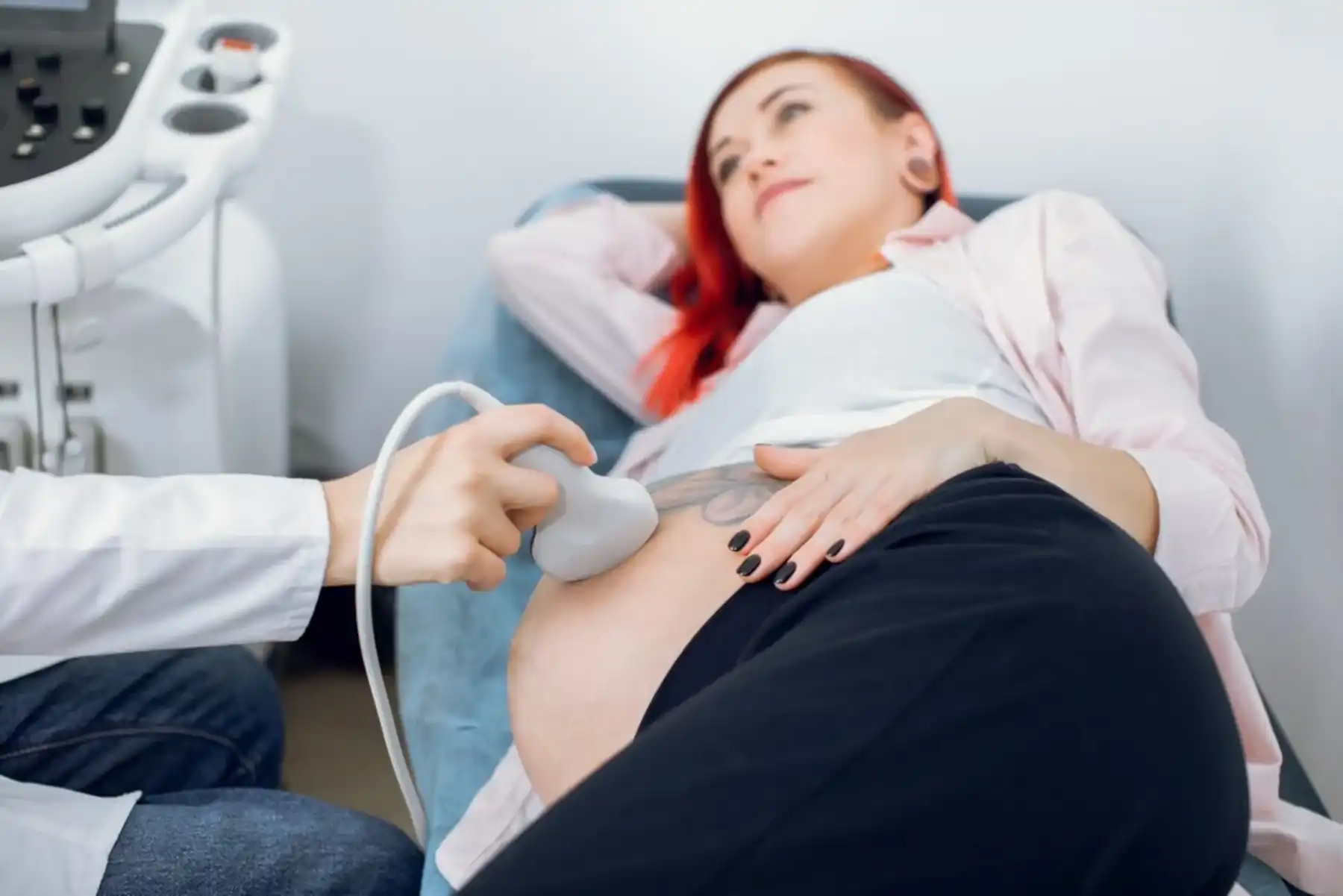
A semen analysis evaluates volume, concentration, motility, and morphology and is essential when conception is delayed.
NIPT: What It Is and Why It Matters
The NIPT (Non-Invasive Prenatal Test) is performed between the 10th and 13th week of pregnancy using a simple maternal blood sample. It detects chromosomal abnormalities such as:
- Trisomy 21 (Down syndrome)
- Trisomy 18 (Edwards syndrome)
- Trisomy 13 (Patau syndrome)
With accuracy above 99%, NIPT reduces the need for invasive procedures like amniocentesis. In some Italian regions, it is now offered free of charge.
Conclusion
The journey toward pregnancy requires patience, knowledge, and attentiveness to your body. Getting pregnant is not just about luck—it’s about timing, lifestyle, and awareness of your unique cycle.
Understanding that ovulation doesn’t always occur on day 14 is a crucial insight. Healthy nutrition, moderate exercise, stress management, and eliminating harmful habits all play a key role. When needed, medical tests and non-invasive genetic screening such as GenePlanet’s NIPT can provide reassurance and valuable information.
There is no single answer to how to get pregnant faster. Every couple must find their own balance. Facing this journey together—with patience, mutual support, and informed choices—not only increases the chances of conception but also lays the strongest foundation for welcoming new life.